
TRANSFORM ARCHITECTURAL VISIONS INTO IMMERSIVE REALITIES!



COURSE OVERVIEW.
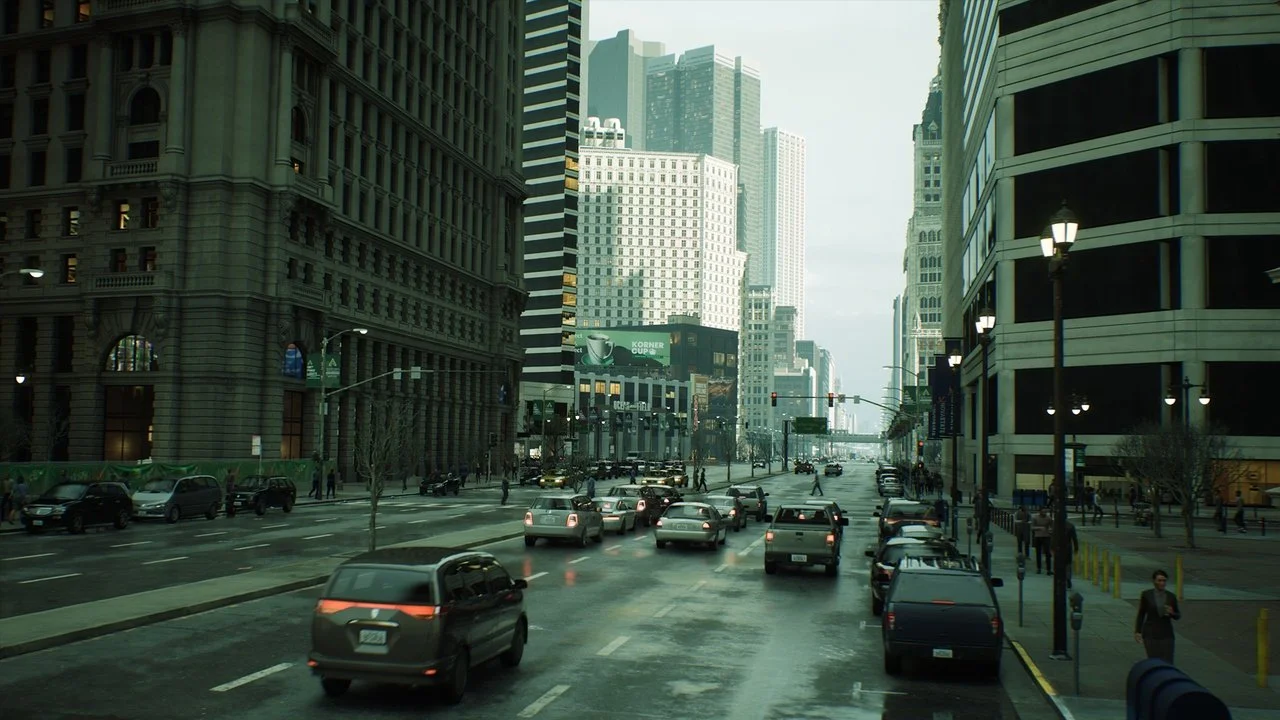
In today's competitive market, compelling visualizations are essential for showcasing architectural projects. This comprehensive Unreal Engine for ArchVIZ course equips you with the skills to harness this leading real-time 3D platform, transforming your visions into immersive realities. You'll learn Unreal Engine 5 inside and out, creating photorealistic environments, cinematic visualizations, and interactive experiences, including digital twins. Beyond technical skills, you'll develop a robust workflow and strategic thinking for confident project execution. With demand for Unreal Engine expertise exploding, this course is your gateway to a rewarding career.
Learning Language: choose to learn in Arabic or English
Learning type: Hybrid (Online live classes/Labs + Pre-recorded material)
Duration: 6 months
PROGRAM CURRICULUM.
Module 1: ARCHITECTURE VISUALIZATION (3 Months)
This module lays the groundwork for your Unreal Engine journey. We'll begin by establishing a strong theoretical foundation, covering essential concepts that will underpin all future learning. This solid base will not only accelerate your skill development but also, crucially, empower you to independently learn and research within the ever-evolving Unreal Engine ecosystem. This self-sufficiency is vital in such a dynamic environment.
The second part of this module focuses on implementing a dynamic workflow for creating high-quality scenes destined for images, videos, and interactive PC experiences. We prioritize the PC platform at this stage because it allows us to generate a diverse range of outputs from a single project foundation. This approach is highly advantageous in ArchVIZ, where clients frequently require multiple applications and deliverables from the same project, maximizing your creative efficiency and profitability.
Module 2: Interactivity (3 Months)
Building upon the foundational knowledge from Module 1, this module dives into the exciting world of interactive architectural experiences. You'll learn how to use Blueprint visual scripting to create dynamic interactivity, real-time user input systems, and automated functionalities within your architectural projects. From virtual showrooms and smart building simulations to interactive masterplans, you'll gain the skills to transform static designs into engaging real-time experiences.
Furthermore, we'll explore how to seamlessly integrate CAD, BIM, and GIS data into Unreal Engine. This optimized workflow is essential for real-world architectural applications and the development of robust digital twins. By mastering Blueprint scripting, scene optimization, lighting, and data visualization techniques, you'll be able to push the boundaries of architectural storytelling. You'll create next-generation design presentations that enhance communication, improve client engagement, and streamline decision-making.
Final Project:
You will have the opportunity to develop a self-chosen project, which will help you build your portfolio with guidance from the instructors through mentorship sessions. This project will provide you with real-world context, allowing you to learn how to address technical challenges and how to find solutions before entering the job market.
MODULE DESCRIPTION.
MODULE 1 – ARCHITECTURE VISUALIZATION (3 Months)
Week 1 – Unreal Engine Foundations
Week 2 – Assets, Geometry & Data Preparation
Week 3 – Materials & Material Theory
Week 4 – Advanced Materials & Look Development
Week 5 – Lighting Fundamentals
Week 6 – Advanced Lighting & Atmosphere
Week 7 – Cameras & Composition
Week 8 – Cinematic Visualization
Week 9 – Environments & Set Dressing
Week 10 – PCG Workflow
Week 11 – Optimization for ArchVIZ
Week 12 – ArchVIZ Mini Project
MODULE 2 – INTERACTIVITY & DIGITAL TWINS (3 Months)
Week 13 – Blueprint Fundamentals
Week 14 – User Interaction Systems
Week 15 – Interactive Materials & Objects
Week 16 – UI for Architecture
Week 17 – Smart Building Logic
Week 18 – CAD, BIM & Data Integration
Week 19 – Digital Twins Fundamentals
Week 20 – Advanced Blueprint Systems
Week 21 – Performance & Scalability
Week 22 – Interactive Presentation Builds
Week 23 – Final Project Production
Week 24 – Final Presentation & Portfolio
PROGRAM Learning Outcomes.
Master Unreal Engine 5 workflows to create photorealistic architectural visualizations, including still images, cinematic walkthroughs, and real-time PC experiences.
Design and implement production-ready material, lighting, and environment systems optimized for architectural scale, performance, and visual realism.
Develop interactive architectural experiences using Blueprint visual scripting, enabling real-time navigation, design options, and smart building logic.
Integrate CAD, BIM, and data-driven assets into Unreal Engine to build optimized, scalable scenes and functional digital twin prototypes.
Apply professional optimization, presentation, and delivery pipelines to produce client-ready architectural projects across multiple output formats.
Build a portfolio-level final project that demonstrates technical expertise, creative problem-solving, and industry-relevant architectural storytelling in real time.
LEARN METHOD.
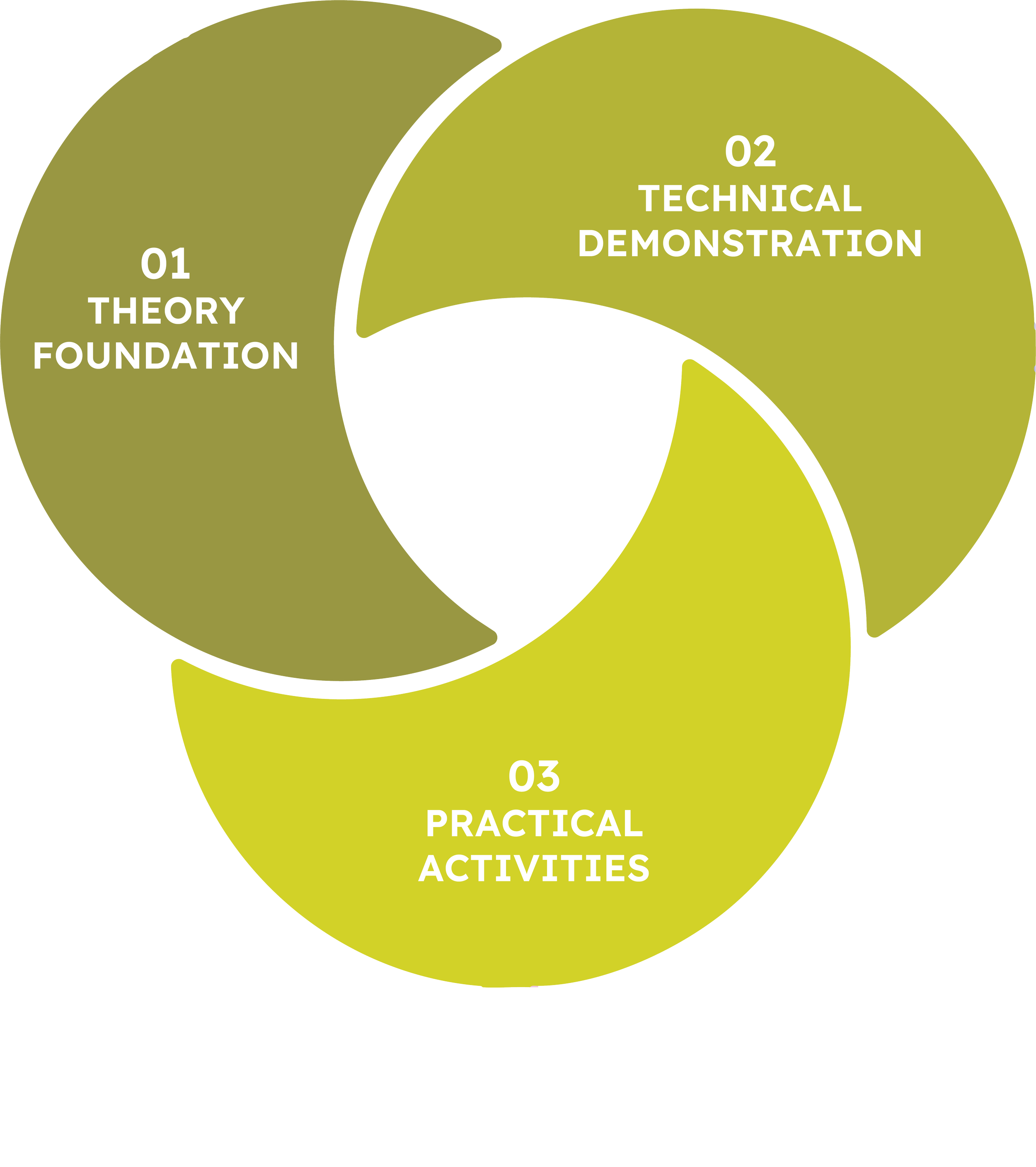
NOETA's holistic education fosters deep understanding and practical skills through a unique learning cycle integrating theory, demos, and hands-on projects, delivered via a flexible hybrid model.
This comprehensive learning cycle is powered by our Hybrid Learning Model, which combines the best of both worlds:
Live Instruction: Engage in real-time sessions with expert instructors, ask questions as concepts are introduced, receive immediate feedback, and take part in interactive discussions that clarify complex topics and connect theory to practical use.
Live Lab Sessions: Move from theory to execution through dedicated hands-on lab sessions. During these labs, learners work directly on their projects while instructors provide close guidance, live feedback, and targeted corrections. This environment mirrors a professional studio setting, allowing participants to troubleshoot issues, refine their work, and develop problem-solving skills with expert support at every stage.
Pre-recorded Materials: Benefit from a rich library of on-demand content designed to complement live sessions. Revisit key concepts, rewatch step-by-step demonstrations, and reinforce your learning at your own pace—anytime, anywhere—ensuring no detail is missed and mastery is achieved.
Frequently Asked Questions
-
Yes! Students interested in taking courses, may benefit from a conversation with an Admissions Advisor. Advisors can help you choose courses that are designed to meet your specific goals, taking into consideration your current skill level, weekly schedule, timeline, and budget. If you'd like help choosing courses, please contact us.
-
Courses will generally span 24 weeks in length, meeting twice per week on a scheduled day and time. Some courses may be offered in a variety of schedule formats. Please check the course schedule for course schedule information.
-
Yes. NOETA’s courses are High-level, for-credit classes. These courses include classwork, homework, and grades.
-
If you are unable to attend a class session, simply notify your instructor. Absences may not exceed 30% of the total course time. Students who do not maintain 70% attendance may receive an unsatisfactory grade.
-
Each class session is scheduled within a 2-hour block. A class will typically consist of homework review, a short Q&A session, and lecture.
-
Due to the advanced nature of our curriculum and high volume of coursework, it is recommended that full-time students focus primarily on their studies while attending.
-
You should expect to spend 9 to 10 hours a week on online-class coursework and homework, per class.
-
NOETA is sensitive to the fact that a great deal of information is given in course lectures. Students are encouraged to audio record lectures with instructor permission only, but please note that students must not film lectures, either with a camera or their cell phones, under any circumstances.
Still have questions? Take a look at the FAQ or reach out anytime. If you’re feeling ready, go ahead and apply.