
"Where the World Learns Virtual Production."
The program Epic Games authorized — built on the workflows Hollywood actually uses.
KEY FACTS
START & END DATE
22th of June - 11th of Sptember

DURATION
12 Weeks

SCHEDULE
Live Teaching Session – Monday
Dubai / UAE (GST): 8:00 PM – 11:00 PM
Central Europe (CET): 6:00 PM – 9:00 PM
Live Lab Session – Wednesday
Dubai / UAE (GST): 8:00 PM – 10:00 PM
Central Europe (CET): 6:00 PM – 8:00 PM

LEVEL
Beginner/Intermediate

LANGUAGE
English

FORMAT
Online Live Virtual Training
(minimum of 4 participants per cohort)

TOOLS
Unreal Engine/Metahuman

PRICE
USD 2,400
Use Code CINEMATIC10 for 10% off

"NOETA has established itself as a go-to destination for mastering Unreal Engine, equipping artists and businesses with the skills needed to thrive in the region's rapidly growing creative economies. Their commitment to excellence aligns seamlessly with Epic Games' vision for fostering innovation and talent development."
— Julie Lottering, Director of Education, Epic Games



COURSE OVERVIEW.
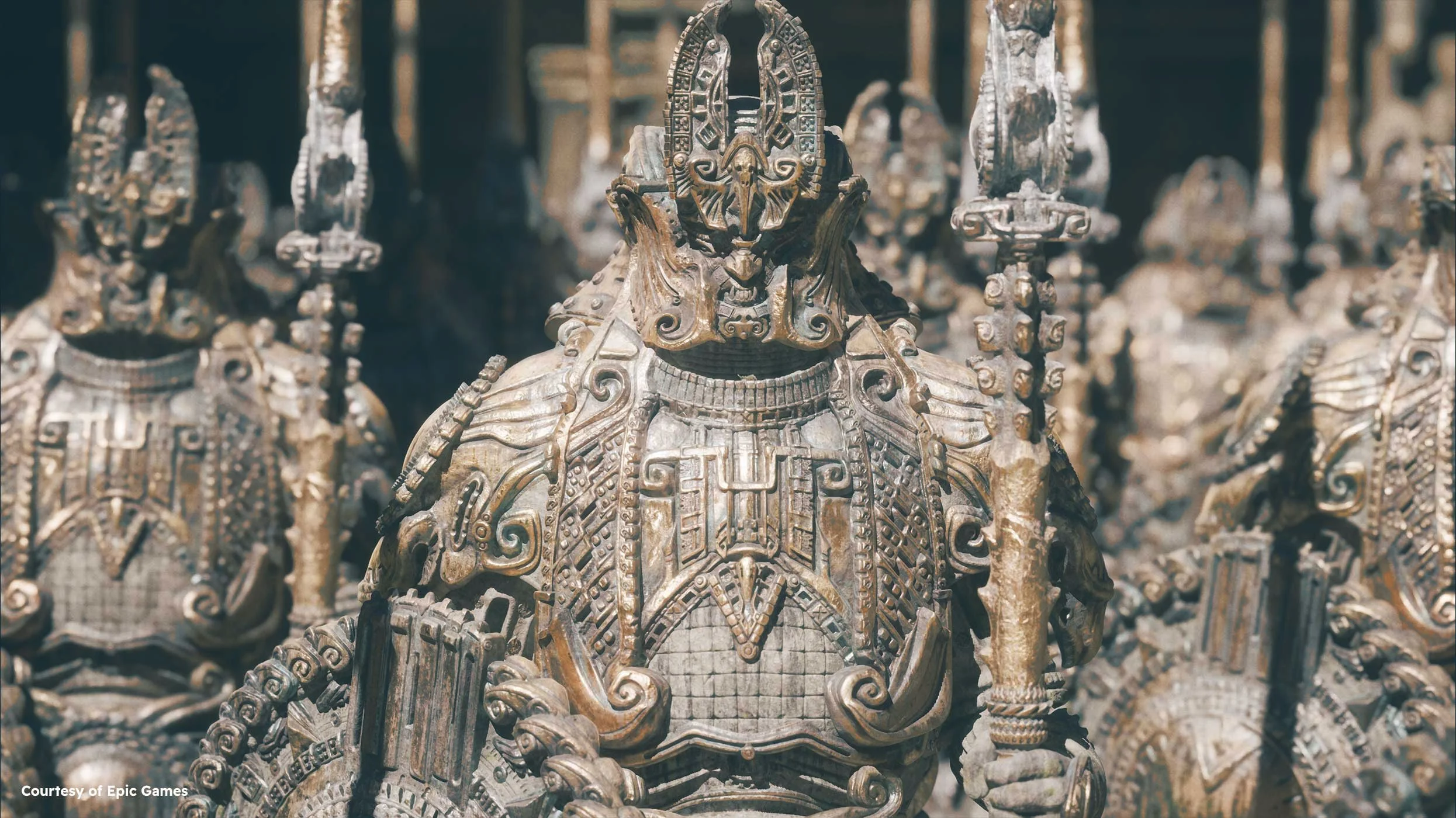
This program is a production-oriented journey into cinematic storytelling with Unreal Engine, designed to bridge traditional filmmaking and real-time virtual production workflows.
Students begin by building immersive virtual worlds — covering landscape creation, procedural content generation (PCG), and environmental systems — before advancing into cinematic sequencing, camera work, and previs techniques using Sequencer. Character animation and MetaHuman workflows are introduced to drive performance-based storytelling.
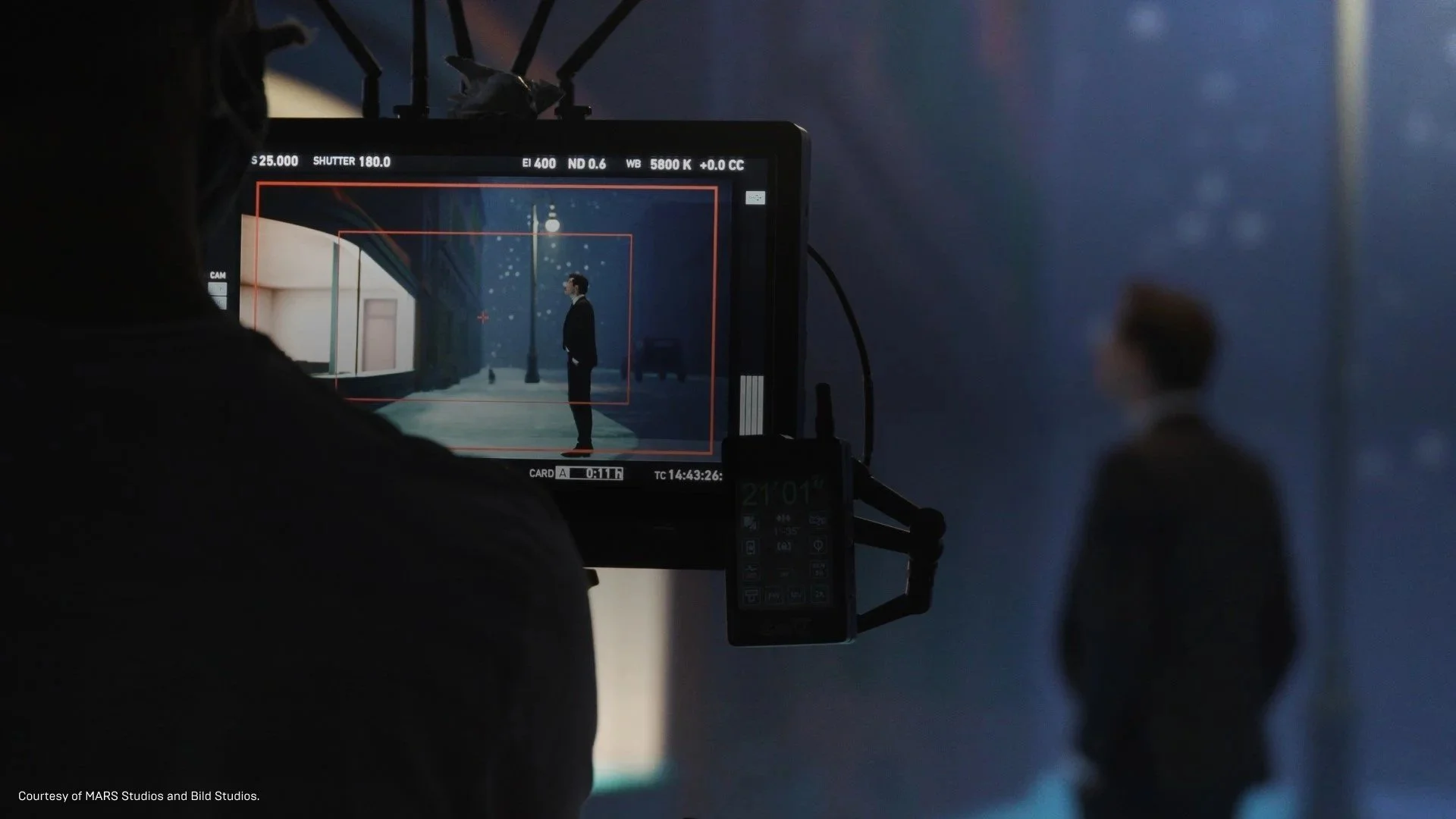
The program then moves into lighting and look development, with a focus on physically based materials (PBR), real-time rendering, and achieving film-quality visuals optimized for virtual production. Students also explore in-camera VFX (ICVFX), LED volume workflows, green screen integration, and real-time VFX and physics simulations — equipping them with the full toolkit of a modern virtual production pipeline.
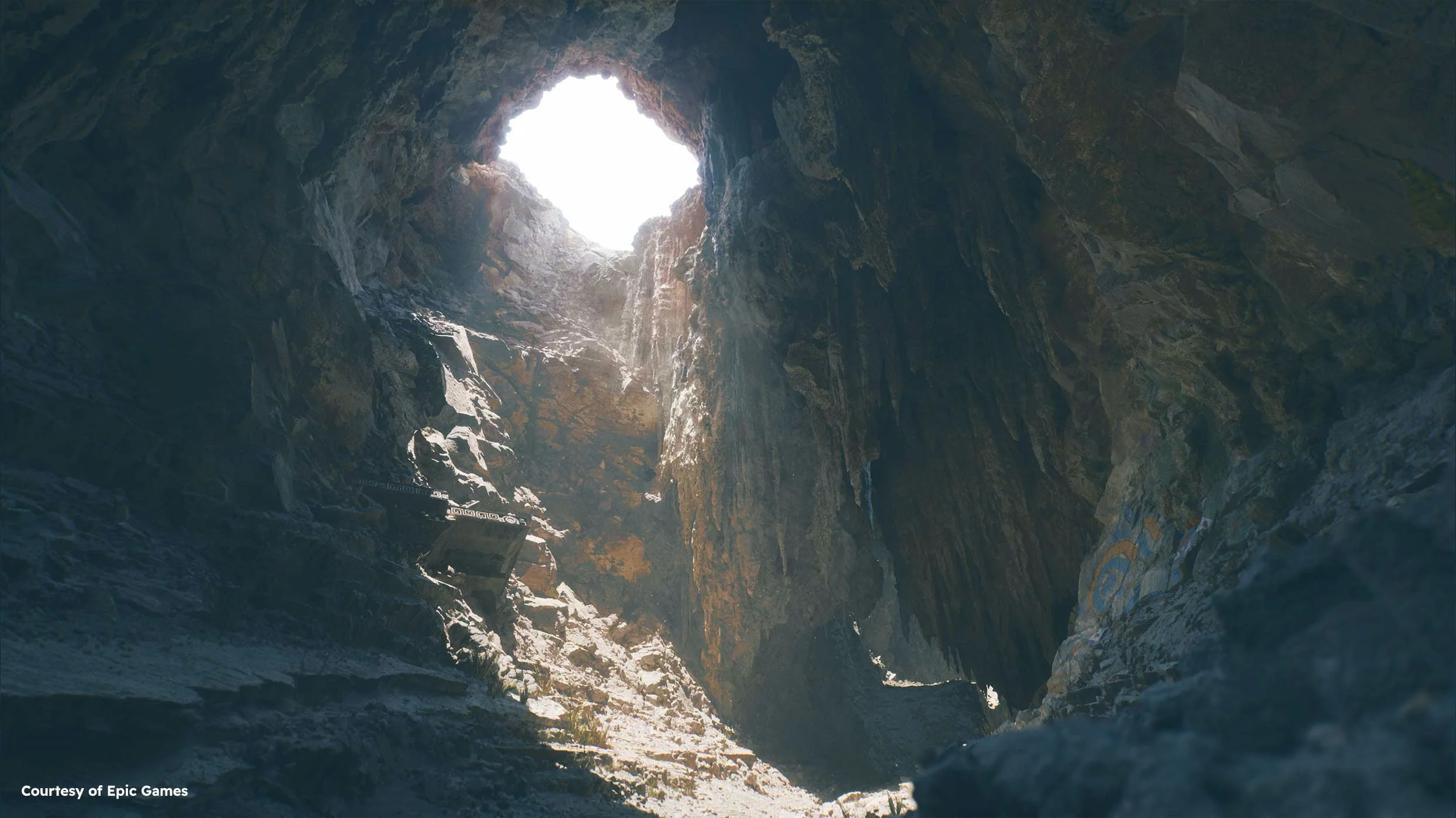
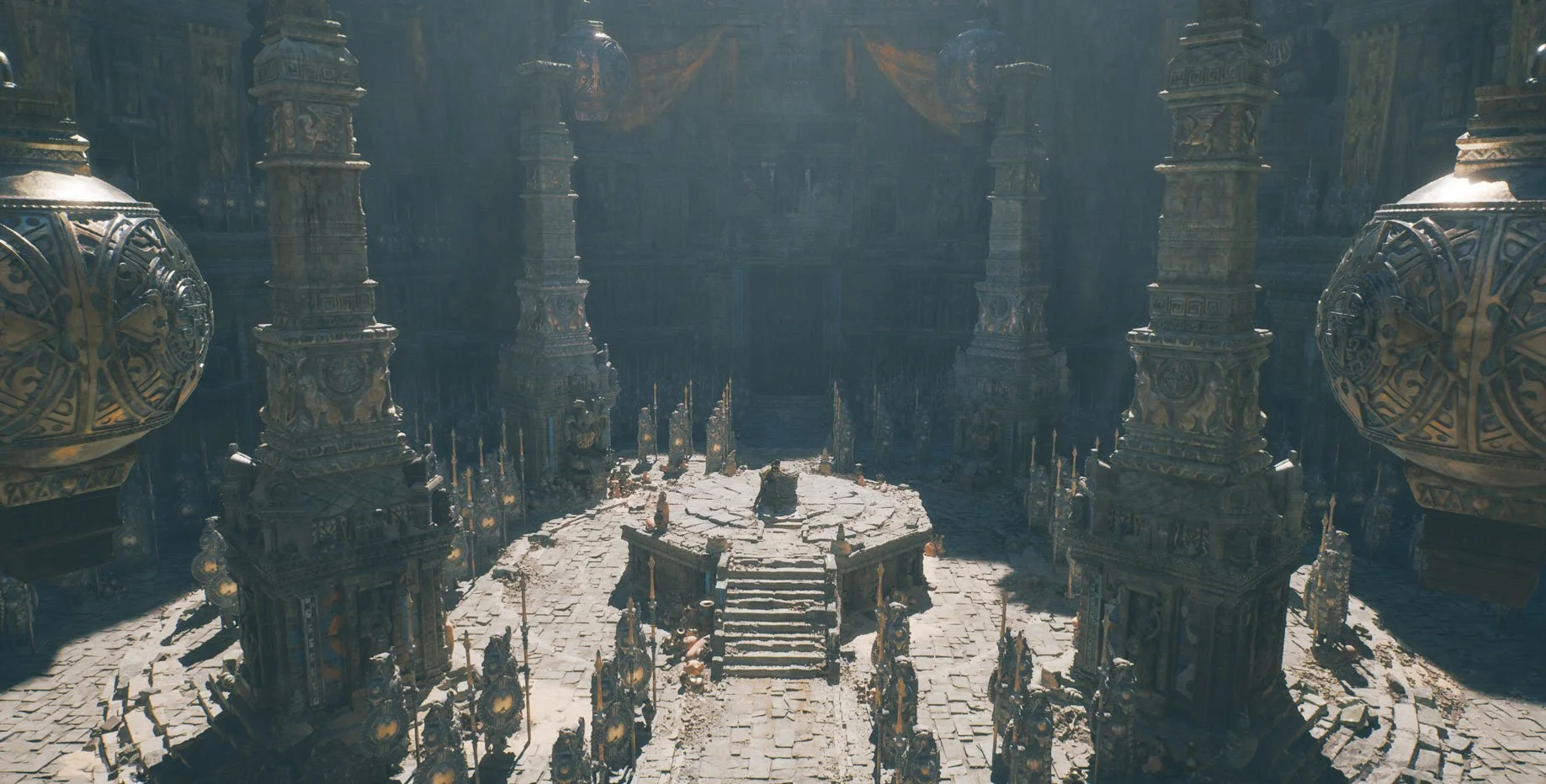
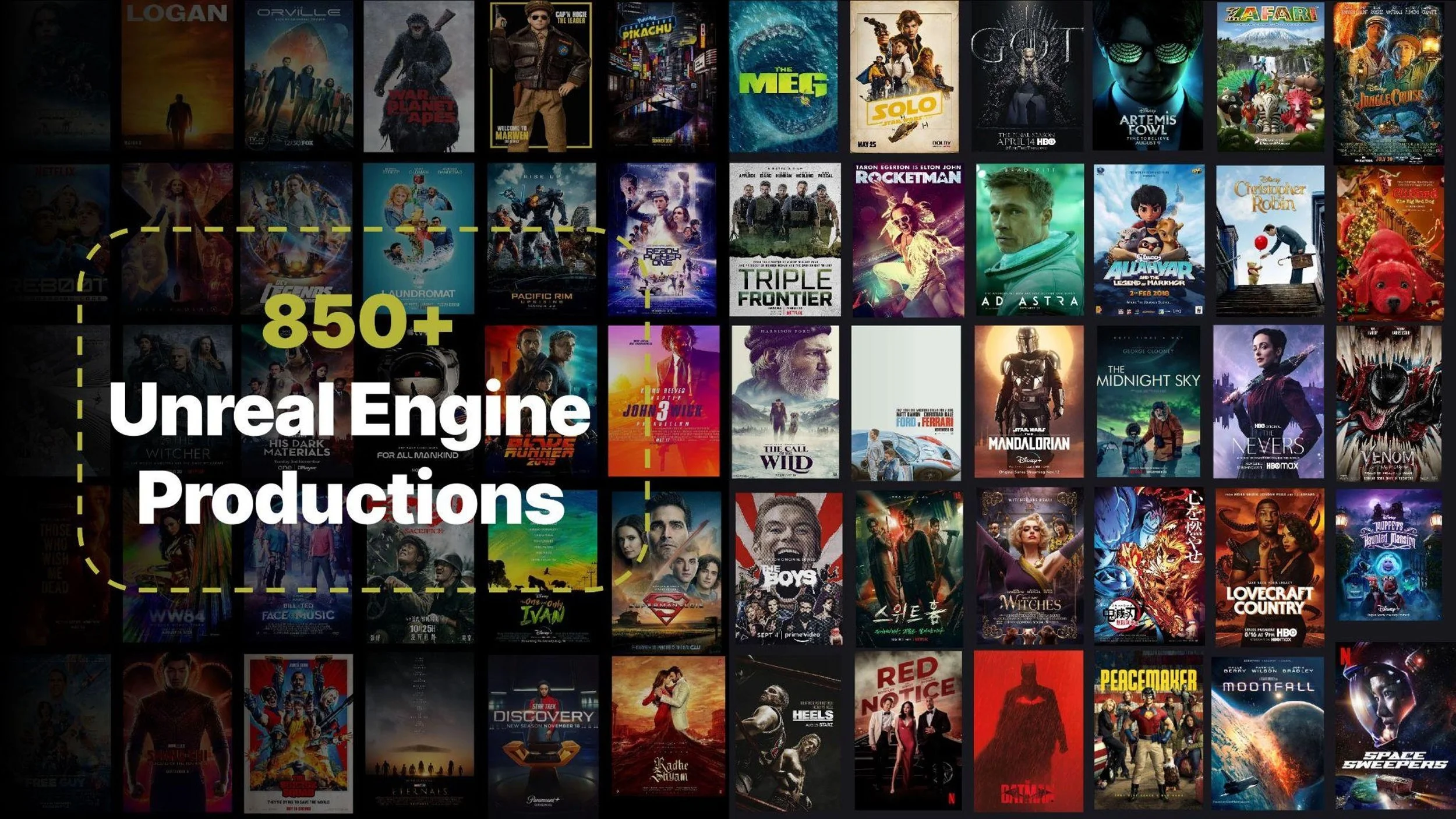
"The same engine powering Hollywood. Now taught at NOETA."
What You Will Learn
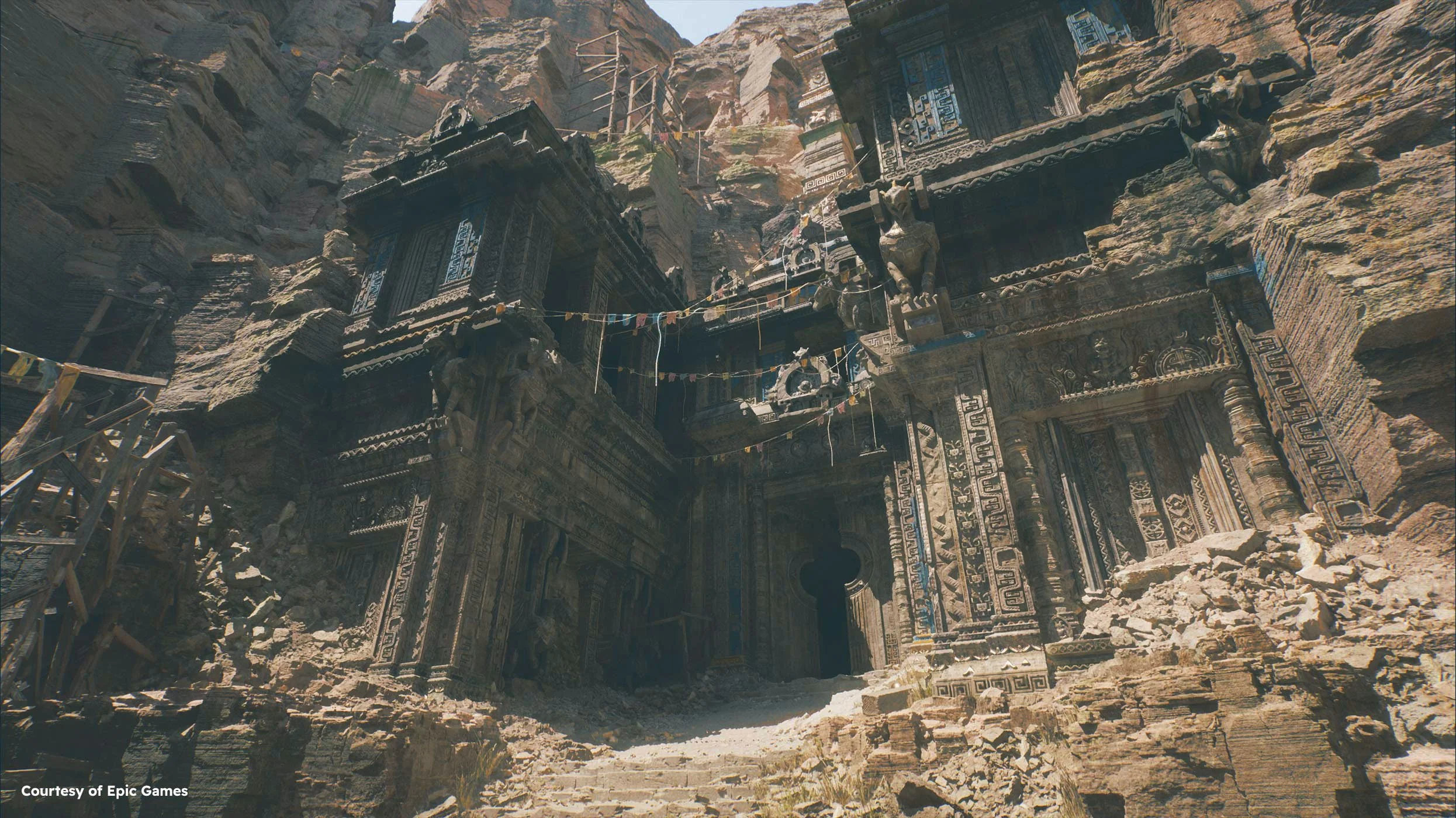
By the end of this program, you will have hands-on experience across the full virtual production pipeline — from building cinematic environments to delivering a finished film-quality output.
Construct cinematic worlds using Unreal Engine's Landscape, Foliage, Water Systems, and Procedural Content Generation (PCG) tools — building virtual environments ready for production from scratch.
Create professional sequences with Sequencer, covering shot composition, camera blocking, previsualization, and multi-camera editing.
Direct and animate digital characters through keyframe animation, Control Rig, motion capture integration, and MetaHuman workflows.
Achieve film-quality visuals using Lumen, physically based rendering (PBR), and look development techniques tailored for virtual production and LED stages.
Master virtual production workflows including in-camera VFX (ICVFX), LED volume setups, and real-time set extensions used in live-action film and TV.
Graduate with a portfolio piece— a polished cinematic project completed under direct instructor mentorship.
COURSE BREAKDOWN
An in-depth introduction to Unreal Engine, focusing on core tools, interface navigation, project structure, and real-time workflows used to build cinematic virtual environments.
Foundations of Unreal Engine for Virtual Environment Creation
Week 01
22/06/2026
Learn how to craft expansive, believable environments using Unreal Engine’s Landscape system, sculpting tools, materials, and advanced foliage workflows for natural ecosystem creation.
Building Immersive Worlds I — Landscape & Foliage Systems
Week 02
29/06/2026
Expand your world-building expertise by integrating dynamic water simulations and leveraging Procedural Content Generation techniques to create scalable, production-ready environments.
Building Immersive Worlds II — Water Systems & Procedural Content Generation (PCG)
Week 03
06/07/2026
Master Unreal Engine’s Sequencer to design professional cinematic sequences. Explore shot composition, camera blocking, and previsualization workflows used in modern film production.
Cinematic Foundations — Sequencer & Previsualization Techniques
Week 04
13/07/2026
Develop advanced lighting skills tailored for cinematic storytelling and LED stage environments, including Lumen, dynamic lighting setups, and mood-driven scene design.
Real-Time Lighting for Film & Virtual Production Sets
Week 05
20/07/2026
Understand material theory and apply PBR workflows to create realistic, production-ready surfaces, shaders, and advanced look development for cinematic environments.
Physically Based Rendering (PBR) Materials & Look Development
Week 06
27/07/2026
Explore the technical and creative foundations of virtual production, including LED volume workflows, camera tracking principles, nDisplay basics, and on-set real-time collaboration.
Virtual Production Fundamentals — In-Camera VFX (ICVFX)
Week 07
03/08/2026
Character Animation Inside Sequencer
Week 08
10/08/2026
Learn the fundamentals of animating characters in Unreal Engine, including keyframing, control rigs, motion capture integration, and performance blocking within Sequencer.
Learn advanced character animation techniques in Unreal Engine using Control Rig and animation tools to enhance character performance.
Advanced Character Animation Techniques & Control Rig Workflows
Week 09
17/08/2026
Week 10
24/08/2026
MetaHuman Workflows, Advanced Sequencer & Shot Management
Learn to use MetaHumans and manage cinematic sequences with advanced Sequencer and multi-camera workflows.
Real-Time VFX & Physics for Cinematic Storytelling
Week 11
31/08/2026
Learn to create cinematic effects using Niagara particle systems and physics-based simulations in Unreal Engine.
Intermediate Rendering & Production Optimization
Week 12
07/09/2026
Optimize scenes for cinematic output, explore Movie Render Queue workflows, performance balancing, and real-time rendering strategies for film-quality delivery.
"Mahmoud was my instructor on the Unreal EMEA Training program. I though Mahmoud did a great job and demonstrated a high level of knowledge and competence in Unreal Engine. His background in Arch Viz was useful in supporting my training."
— Xristos Sfetsios, Virtual Production Studio Manager, SCAD
What You Can Expect
This is a production-focused program delivered entirely online. Each week combines live instruction with guided lab sessions, structured around real-world virtual production workflows used in the film industry. All sessions are recorded and available for on-demand review, allowing you to revisit the material anytime.
LIVE INSTRUCTION AND WEEKLY LAB SESSIONS

REAL-TIME FEEDBACK AND INSTRUCTOR MENTORSHIP
PROJECT-BASED LEARNING WITH A CAPSTONE DELIVERABLE
GLOBALLY ACCESSIBLE WITH RECORDED SESSIONS ON DEMAND

Instructor:
MAHMOUD ALKAWADRI
Mahmoud Alkawadri is an Unreal Engine Gold Tier Authorized instructor, educational advisor for Epic Games, and a member of the Visual Effects Society (VES). He is the founder of NOETA Academy — an Unreal Engine Authorized Training Center operating across Dubai, Riyadh, and Berlin — and brings over 20 years of experience across architecture, visualization, CGI/VFX, and the video game industry, combining artistic vision with deep technical expertise in real-time production.
He has developed and delivered advanced Unreal Engine training programs in collaboration with Epic Games and leading Premier Partners across Germany, the United States, Canada, and France.
In 2017, Mahmoud founded MK Design & Visualization Studio, a creative agency specializing in high-end visual content and visual effects. The studio has collaborated with clients including Epic Games, Netflix, Siemens, Deutsche Welle, EDGE Technologies, Emaar, CA-Immo, and Deutsche Telekom — building a strong international reputation in visual storytelling and digital production.
That industry experience directly informs his teaching. Specializing in cinematic storytelling and real-time virtual production workflows, Mahmoud equips students with practical, production-ready skills in Unreal Engine cinematics.



USD 2,400
Use Code CINEMATIC10 for 10% off
Valid until 30/05/2026
"I had the opportunity to follow Mahmoud for an intense introductive training to Unreal Engine. The fact that he's a certified instructor, not only with Unreal, but even a professional and an enthusiastic pioneer, allows him to share real working "experiences" (with all the related problematics) and not only "teachings". A precious advisor."
— Giuliano Fontanelli, Senior Cinematic Designer, Electronics Arts
LEARN METHOD.
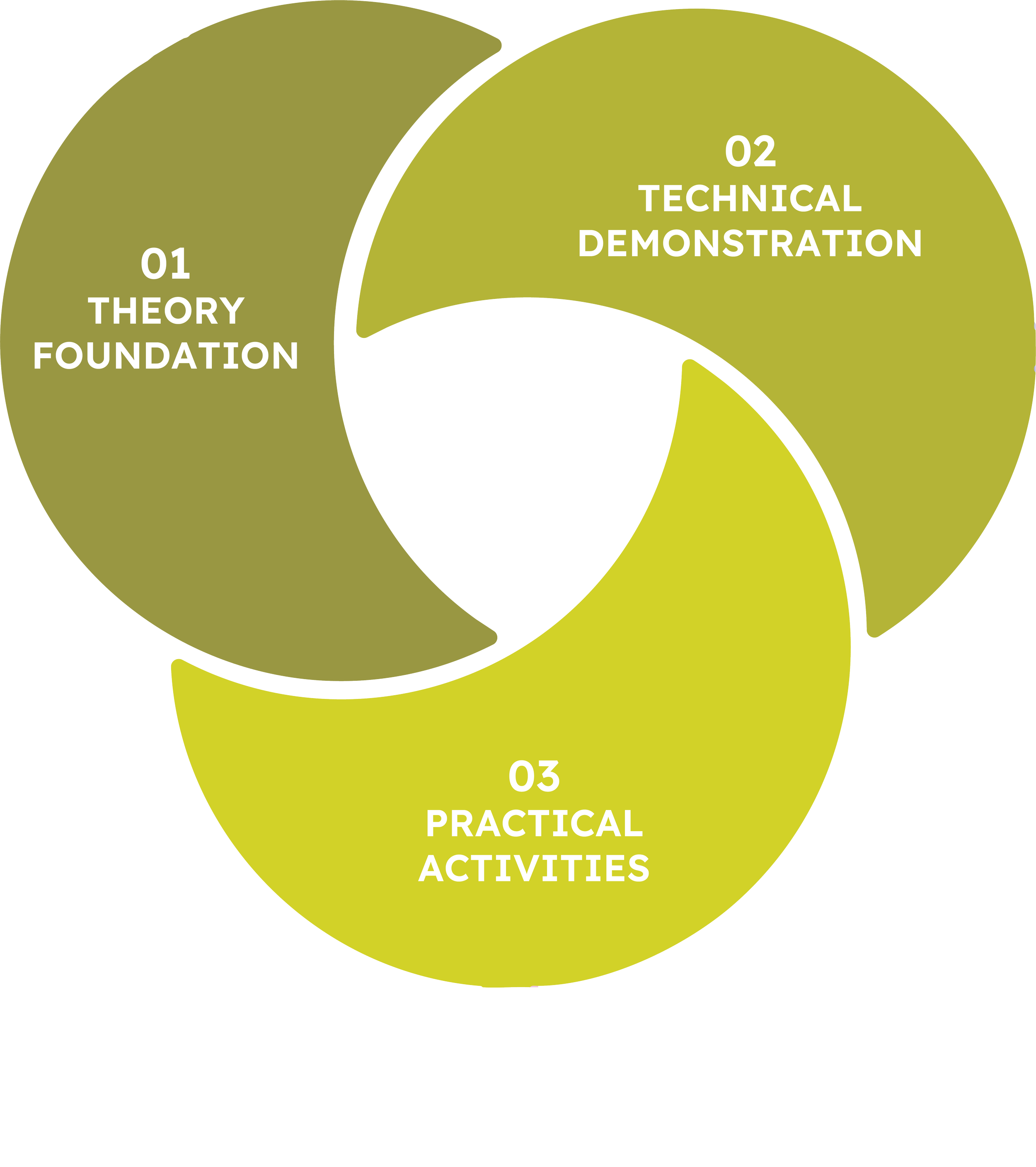
NOETA's holistic education fosters deep understanding and practical skills through a unique learning cycle integrating theory, demos, and hands-on projects, delivered via a flexible hybrid model.
This comprehensive learning cycle is powered by our Hybrid Learning Model, which combines the best of both worlds:
Live Instruction: Engage in real-time sessions with expert instructors, ask questions as concepts are introduced, receive immediate feedback, and take part in interactive discussions that clarify complex topics and connect theory to practical use.
Live Lab Sessions: Move from theory to execution through dedicated hands-on lab sessions. During these labs, learners work directly on their projects while instructors provide close guidance, live feedback, and targeted corrections. This environment mirrors a professional studio setting, allowing participants to troubleshoot issues, refine their work, and develop problem-solving skills with expert support at every stage.
Frequently Asked Questions
-
Yes! Students interested in taking courses, may benefit from a conversation with an Admissions Advisor. Advisors can help you choose courses that are designed to meet your specific goals, taking into consideration your current skill level, weekly schedule, timeline, and budget. If you'd like help choosing courses, please contact us.
-
Courses typically run for 12 weeks, with sessions held twice per week on scheduled days and times.
Live Teaching Session – Monday
Central Europe (CET): 6:00 PM – 9:00 PM
Dubai / UAE (GST): 8:00 PM – 11:00 PM
Saudi Arabia (AST): 7:00 PM – 10:00 PM
Live Lab Session – Wednesday
Central Europe (CET): 6:00 PM – 8:00 PM
Dubai / UAE (GST): 8:00 PM – 10:00 PM
Saudi Arabia (AST): 7:00 PM – 9:00 PM
-
Yes. To receive a NOETA certificate, you will be required to complete a capstone project that serves as a portfolio piece and demonstrates the skills you developed throughout the course.
Upon successfully completing the course and submitting your capstone project, you will receive a certificate of completion issued by the instructor at the end of the program.
-
If you are unable to attend a class session, please inform your instructor in advance. Absences may not exceed 30% of the total course duration, and students who fail to maintain at least 70% attendance may receive an unsatisfactory grade.
Note: All classes will be recorded, and the recordings will be made available to students.
-
Each class session is organized within a 5-hour weekly structure (3 hours live session + 2 hours lab). A typical class includes homework review, a short Q&A discussion, and the main lecture.
-
Yes, you can. Our courses are intentionally scheduled after typical working hours to make it possible for students to balance their professional commitments while attending the program. While the curriculum is advanced and requires dedication, the schedule is designed to allow working professionals to participate and complete the coursework effectively.
-
First and most importantly, you will need a computer powerful enough to run Unreal Engine smoothly. Ideally, your system should include an RTX GPU to take full advantage of ray tracing and real-time rendering features.
Minimum system requirements (Windows):
Windows 10 (64-bit)
Quad-core Intel or AMD processor, 2.5 GHz or faster
16 GB RAM or more
NVIDIA GeForce RTX 3060 graphics card or higher
Minimum system requirements (macOS):
Quad-core Intel processor, 2.5 GHz or faster
8 GB RAM or more
Software requirement:
Before the first session, you will need to install Unreal Engine (version 5.7) on your computer. -
All live sessions will be recorded, and you will have lifetime access to the recordings so you can revisit the material anytime.
-
Yes — this program is open to students worldwide. All live sessions are delivered online and scheduled to accommodate both European and Middle Eastern time zones. If your time zone falls outside these windows, every session is recorded and made available within 24 hours, so you can follow along fully on demand and stay on track with the program regardless of where you are.
-
You can cancel your seat and get a refund within 14 days of purchase, as long as the course has not started.
Still have questions? Take a look at the FAQ or reach out anytime. If you’re feeling ready, go ahead and apply.